
- DNR Educational Trust launches initiative in four government schools to promote nutrition, sustainable farming and environmental awareness
-Swamy Muddam
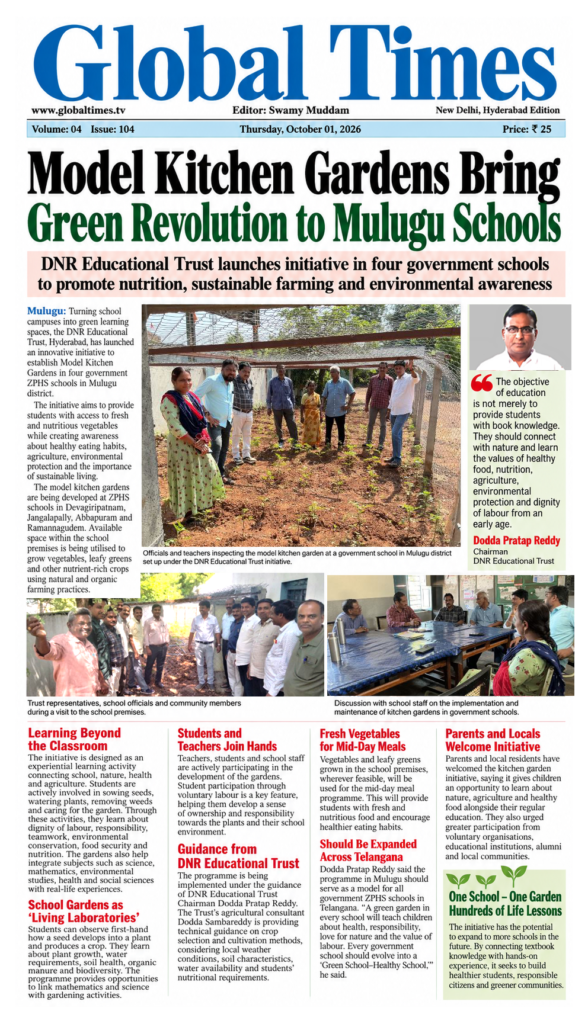
Mulugu (Telangana): Turning school campuses into green learning spaces, the DNR Educational Trust, Hyderabad, has launched an innovative initiative to establish Model Kitchen Gardens in four government ZPHS schools in Mulugu district.
The initiative aims to provide students with access to fresh and nutritious vegetables while creating awareness about healthy eating habits, agriculture, environmental protection and the importance of sustainable living.
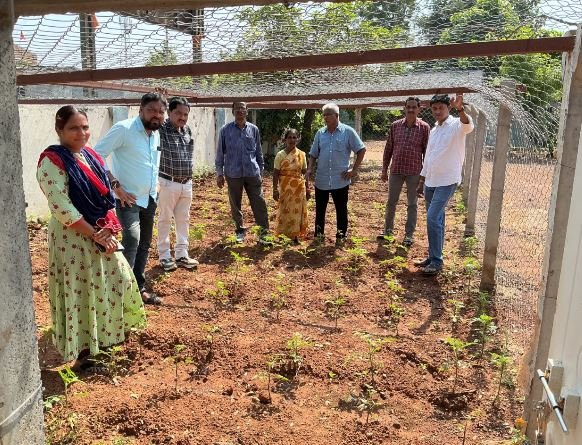
The model kitchen gardens are being developed at ZPHS schools in Devagiripatnam, Jangalapally, Abbapuram and Ramannagudem. Available space within the school premises is being utilised to grow vegetables, leafy greens and other nutrient-rich crops using natural and organic farming practices.
Learning Beyond the Classroom
The initiative is designed not merely as a vegetable-growing programme but as an experiential learning activity connecting school, nature, health and agriculture.
Students are actively involved in activities such as sowing seeds, watering plants, removing weeds, observing plant growth and caring for the garden. Through these activities, students get an opportunity to learn about the dignity of labour, responsibility, teamwork, environmental conservation, food security and nutrition.
The gardens can also serve as practical learning spaces where classroom subjects such as science, mathematics, environmental studies, health and social sciences can be linked with real-life experiences.
School Gardens as ‘Living Laboratories’
One of the key features of the programme is the concept of developing the kitchen garden as a “Living Laboratory.”
Students can observe first-hand how a seed develops into a plant and eventually produces a crop. They can learn about plant growth, water requirements, soil health, organic manure, biodiversity and sustainable agricultural practices through direct observation.
The programme also provides opportunities to integrate mathematics and science into gardening activities. Students can record the number of plants, measure crop growth and calculate yields, while learning about the plant life cycle, photosynthesis and soil nutrients.
Students and Teachers Join Hands
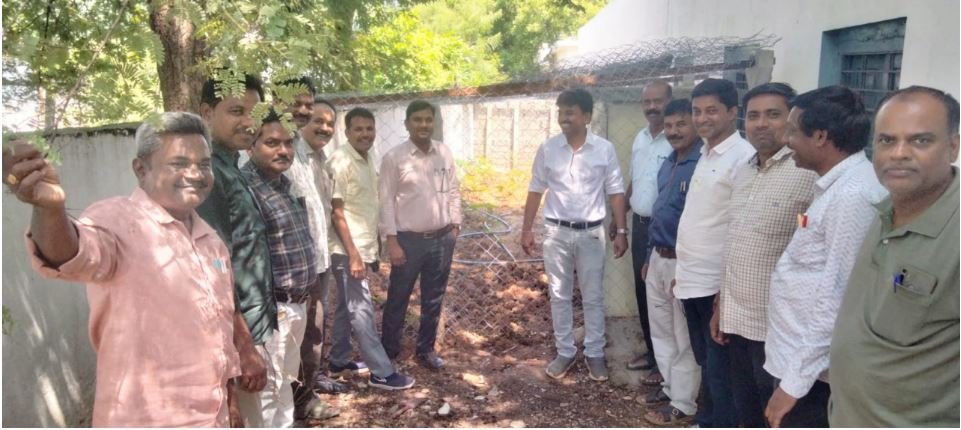
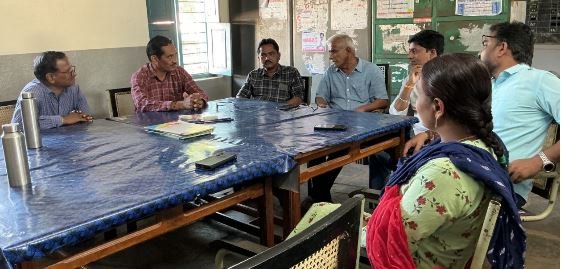
Teachers, students and school staff are actively participating in the development of the gardens. Headmasters and teaching staff are encouraging students to take responsibility for the maintenance and growth of the gardens.
Student participation through voluntary labour is emerging as a major feature of the initiative. By working directly in the gardens, students develop a sense of ownership and responsibility towards the plants and their school environment.
Guidance from DNR Educational Trust
The programme is being implemented under the guidance and encouragement of **DNR Educational Trust Chairman Dodda Pratap Reddy.
The Trust’s agricultural consultant, Dodda Sambareddy, is providing technical guidance on crop selection and cultivation methods. Local weather conditions, soil characteristics, water availability and the nutritional requirements of students are being considered while selecting suitable crops.
Fresh Vegetables for Mid-Day Meals
The initiative also aims to utilise vegetables and leafy greens grown within the school premises, wherever feasible, for the mid-day meal programme.
Using locally grown produce can provide students with fresh food while strengthening the connection between nutrition, health and education. The programme is also expected to encourage children to develop healthier eating habits and consume more vegetables and leafy greens.
‘The Initiative Should Be Expanded Across Telangana’: Dodda Pratap Reddy
Speaking about the initiative, DNR Educational Trust Chairman Dodda Pratap Reddy said that education should go beyond classroom and textbook knowledge.
“The objective of education is not merely to provide students with book knowledge. They should connect with nature and learn the values of healthy food, nutrition, agriculture, environmental protection and dignity of labour from an early age. With this objective, we are developing Model Kitchen Gardens in four government schools in Mulugu district.”
He expressed the hope that the programme being implemented in the four schools could serve as a model for establishing kitchen gardens in government ZPHS schools across Telangana.
“A green garden in every school will not only produce crops. It will also teach children about health, responsibility, love for nature, the value of labour, environmental awareness and nutrition. Every government school should evolve into a ‘Green School–Healthy School’,” he said.
Parents and Local Residents Welcome Initiative
Parents and local residents have welcomed the establishment of Model Kitchen Gardens in government schools.
They said the initiative would give children an opportunity to learn about nature, agriculture and healthy food alongside their regular education.
Local residents also expressed the view that greater participation from voluntary organisations, educational institutions, alumni and local communities could further strengthen such initiatives and contribute to the overall development of government schools.
One School–One Garden, Hundreds of Life Lessons
The Model Kitchen Garden initiative launched in Mulugu has the potential to expand to more schools in the future.
The concept of “One School–One Garden” can transform school campuses into green learning environments while creating greater awareness among students about nutrition, agriculture, environmental conservation and sustainable living.
By connecting textbook knowledge with hands-on experience, the initiative seeks to build healthier students, responsible citizens and greener communities